
Benefits to OEMs from Working with a Good Robotics Integrator
In a rapidly evolving automation landscape, original equipment manufacturers (OEMs) are finding that success depends on more than just advanced hardware. According to Moshe Holtzberg, founder of Mobotics USA, a skilled integrator can be the critical link between cutting-edge robotics and real-world operational success.
The Integrator as a Bridge
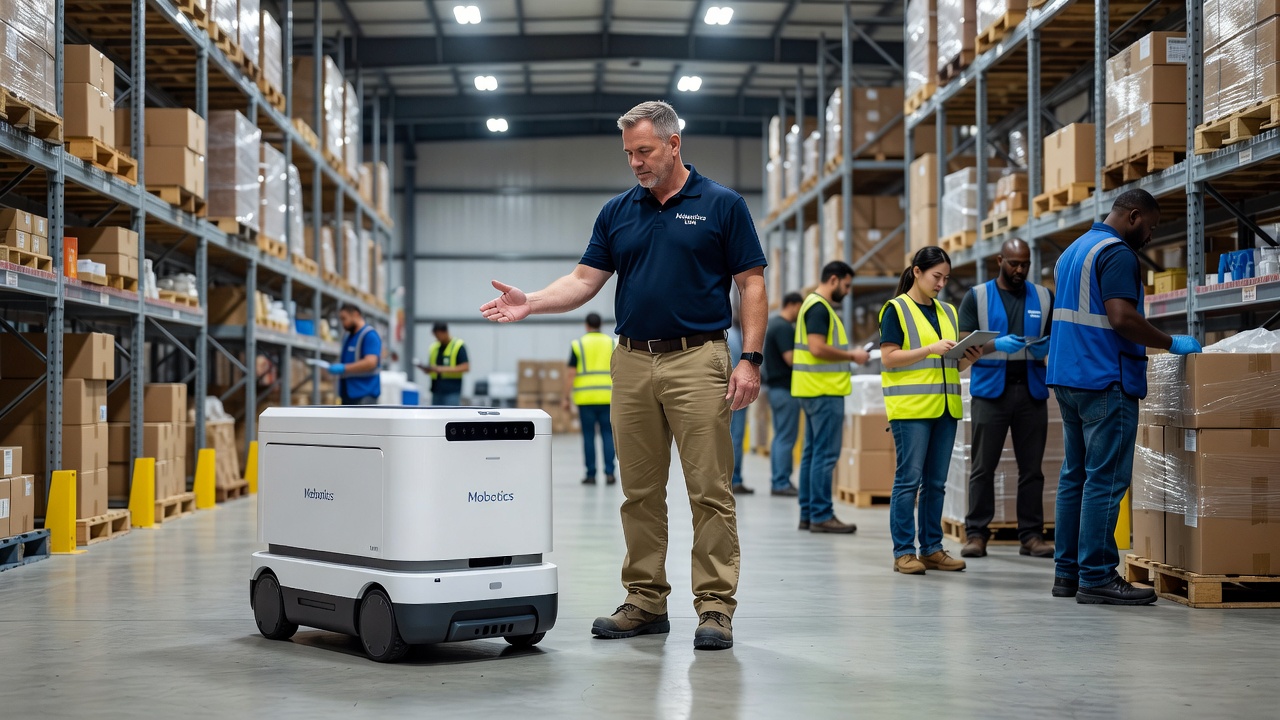
Holtzberg, whose company focuses on autonomous mobile robots for cleaning, advertising, delivery, and logistics, emphasizes that the integrator’s role is to connect two worlds. “A good integrator acts as the bridge between the robot manufacturer and the customer’s real-world operation,” he explains. “The OEM understands the technology extremely well, and the customer understands their business. The integrator helps bring those two sides together.”
This bridging function is especially valuable because robotics adoption rarely hinges on hardware alone. Workflows, employee training, safety planning, and customer experience all play a role. “An integrator helps make sure the solution is not just impressive in a demo, but useful in daily operations,” Holtzberg adds.
Why Companies Turn to Automation
The demand for robotics is surging across logistics, warehousing, hospitality, and industrial environments. Holtzberg observes that most companies seriously consider automation when they face a clear operational pain point, such as labor shortages, rising costs, or the need for consistent service.
“A lot of the demand is coming from companies that are dealing with labor shortages, rising operating costs, and pressure to do more with the same team,” he says. Whether it’s a warehouse seeking to reduce walking time or a hotel aiming to improve service consistency, the strongest projects start with a specific business problem rather than a fascination with the technology itself.
What Companies Often Underestimate
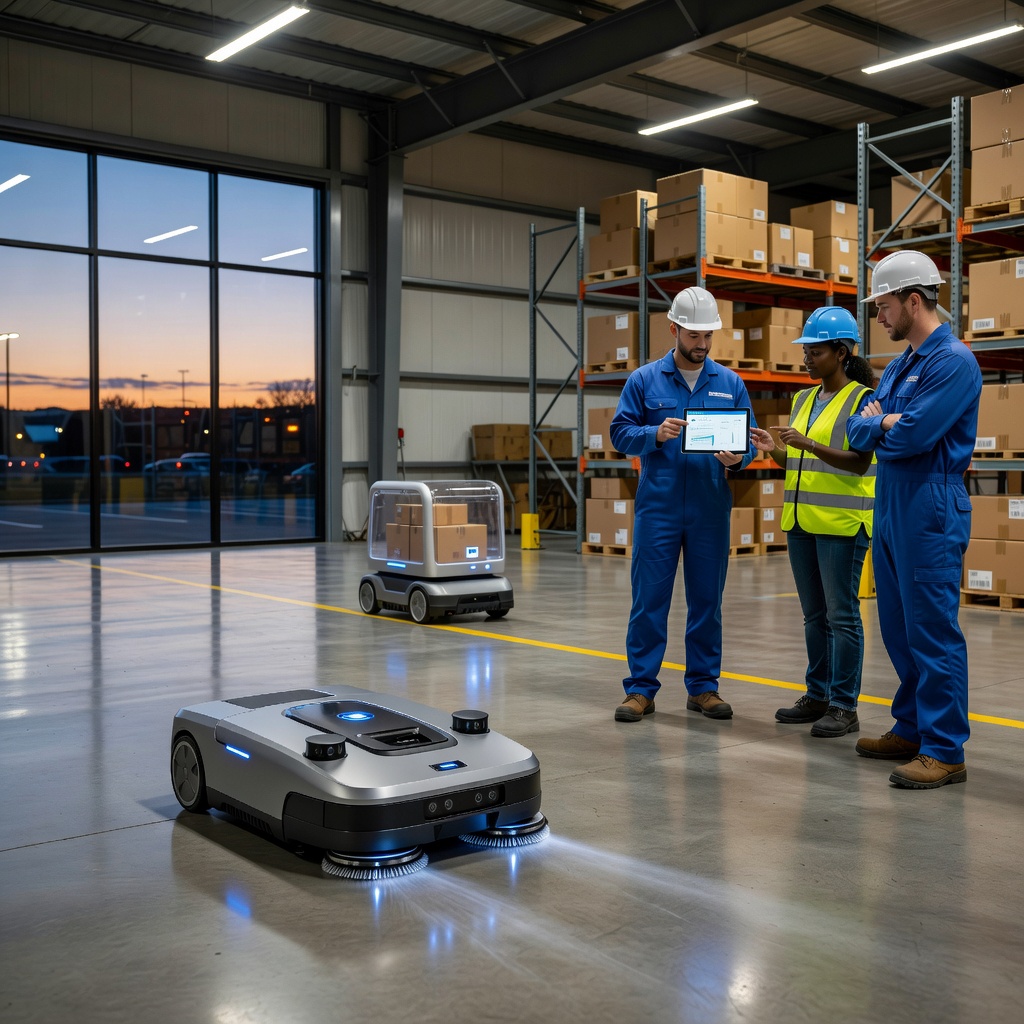
Holtzberg warns that first-time robotics adopters frequently overlook the operational context surrounding the robot. “Companies often underestimate how much the surrounding operation matters,” he notes. “The robot may be capable, but success depends on the workflow around it.”
He advises companies to consider practical questions before deployment: Who will operate the system? Who will charge it? How will employees interact with it? What happens if the environment changes? “Our role is to help customers think through those details early, so the deployment has a much better chance of succeeding,” Holtzberg says.
Advice for First-Time Robotics Adopters
For companies exploring automation for the first time, Holtzberg recommends starting with the problem, not the robot. “Be clear about what you are trying to improve: labor efficiency, service consistency, cleaning coverage, delivery speed, material movement, safety, or operating cost,” he advises.
He also emphasizes that robotics doesn’t have to be complicated. Many successful deployments begin with a simple, single-purpose machine solving a very specific task. For example, an autonomous cleaning robot can be scheduled to vacuum and scrub large event spaces overnight, delivering a measurable return on investment while freeing staff for higher-value work.
Future Outlook: Robotics Becoming Mainstream
Looking ahead, Holtzberg predicts that autonomous mobile robots will become a common sight in commercial and industrial environments. “We are already seeing companies move past the idea that robots are experimental and start asking where they can create real operational value,” he says.
In cleaning, delivery, logistics, and even advertising, robots will move from novelty to normalcy. “The biggest shift will be that these robots will become less of a novelty and more of a normal part of operations,” Holtzberg notes. He adds that new use cases will continue to emerge as technology improves and customer comfort grows.
For OEMs, partnering with a competent integrator can be the difference between a stalled project and a scalable success. “The right integrator helps see the project through from the early concept stage all the way to deployment, training, support, and future expansion,” Holtzberg concludes.
The source for this article is https://www.roboticstomorrow.com/article/2026/06/benefits-to-oems-from-working-with-a-good-robotics-integrator/26669.