
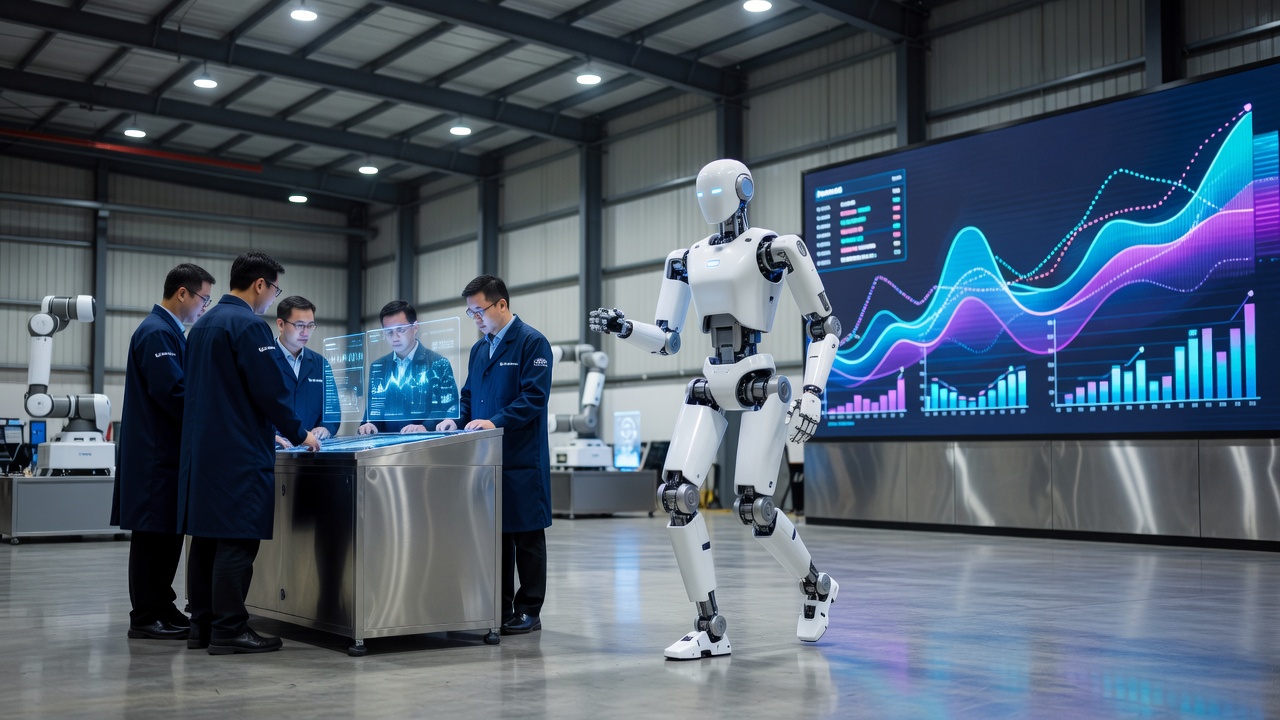
China’s AI and Robotics Companies Face Public Market Pricing Reality Check
China’s artificial intelligence and robotics startups are navigating a critical transition as they move from private fundraising to public listings, where market discipline often revalues expectations built on promise rather than profit. The Shanghai Stock Exchange recently clarified how unprofitable AI large-model companies can qualify for listing under the Star Market’s fifth standard—a path designed for strategically important tech firms that have yet to generate significant revenue or earnings. Meanwhile, a parallel test is unfolding in the robotics sector.
Unitree Robotics Tests the Waters
Unitree Robotics, a developer of humanoid robots, has advanced further through the Star Market process, offering a concrete case study for investors. Unlike many early-stage tech peers, Unitree has demonstrated rapid revenue growth and profitability, though recent filings indicate mounting pressure on margins. The company’s trajectory will help gauge how much of the hype around China’s humanoid robot boom can withstand the rigor of public market valuation.
Two Paths, Common Challenge
While the AI guidance and the Unitree case differ in specifics, together they underscore a broader reckoning. The AI rules test whether strategic tech companies can access public capital before achieving conventional financial maturity. Unitree tests whether a high-growth robotics firm can sustain the lofty expectations embedded in its private valuation once listed. Both scenarios highlight that public markets do not simply serve as exit channels for early investors; they create categories, comparables, and pricing discipline.
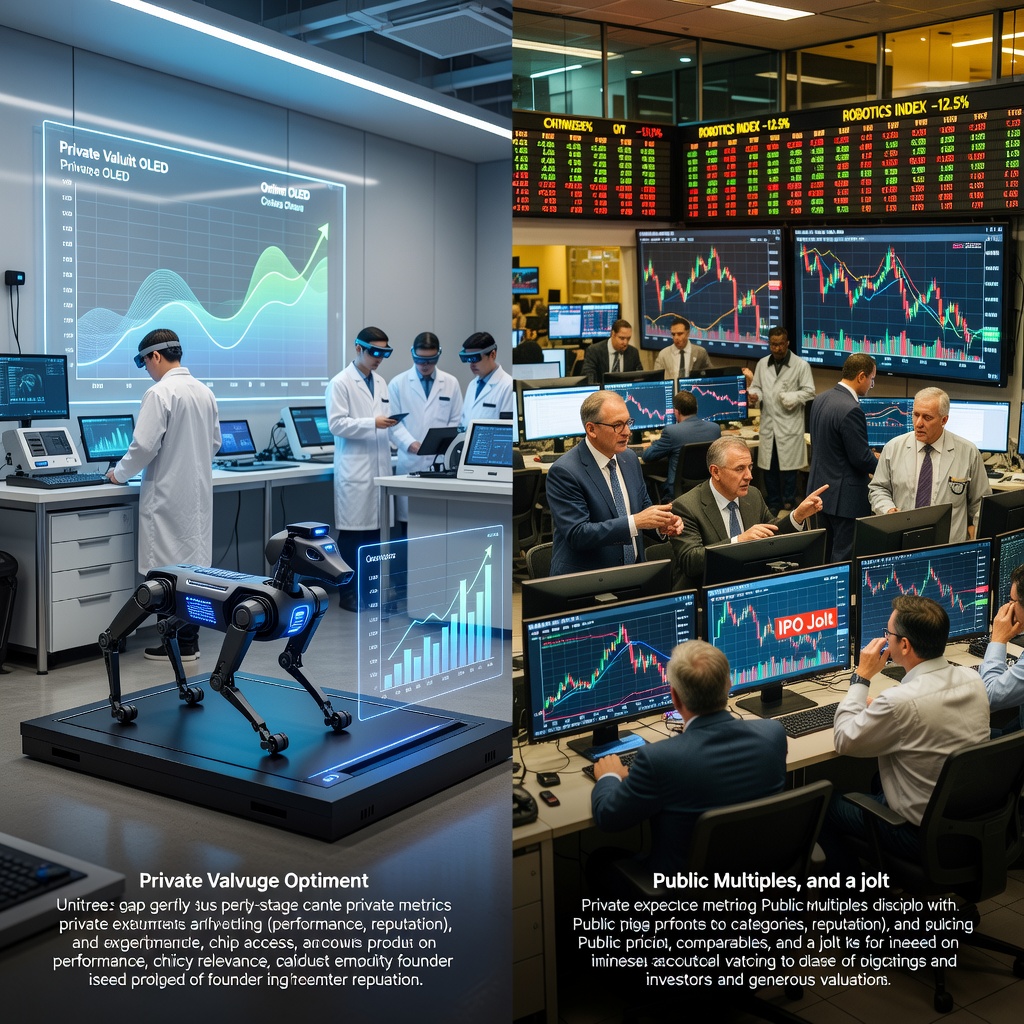
Private Metrics Versus Public Multiples
Analysts note that during the recent funding cycle, Chinese AI and robotics firms raised capital based on factors such as product performance, chip access, policy relevance, and founder reputation. These signals can sustain private financing rounds but do not automatically translate into public market multiples. As these companies prepare for IPOs, the gap between private optimism and public scrutiny is likely to narrow—often with a jolt for investors accustomed to the generous valuations of the earlier fundraising environment.
The source for this article is https://www.scmp.com/opinion/china-opinion/article/3358146/why-chinas-tech-firms-could-be-rude-ipo-surprise.