Letters | Automation must be designed with the human worker in mind
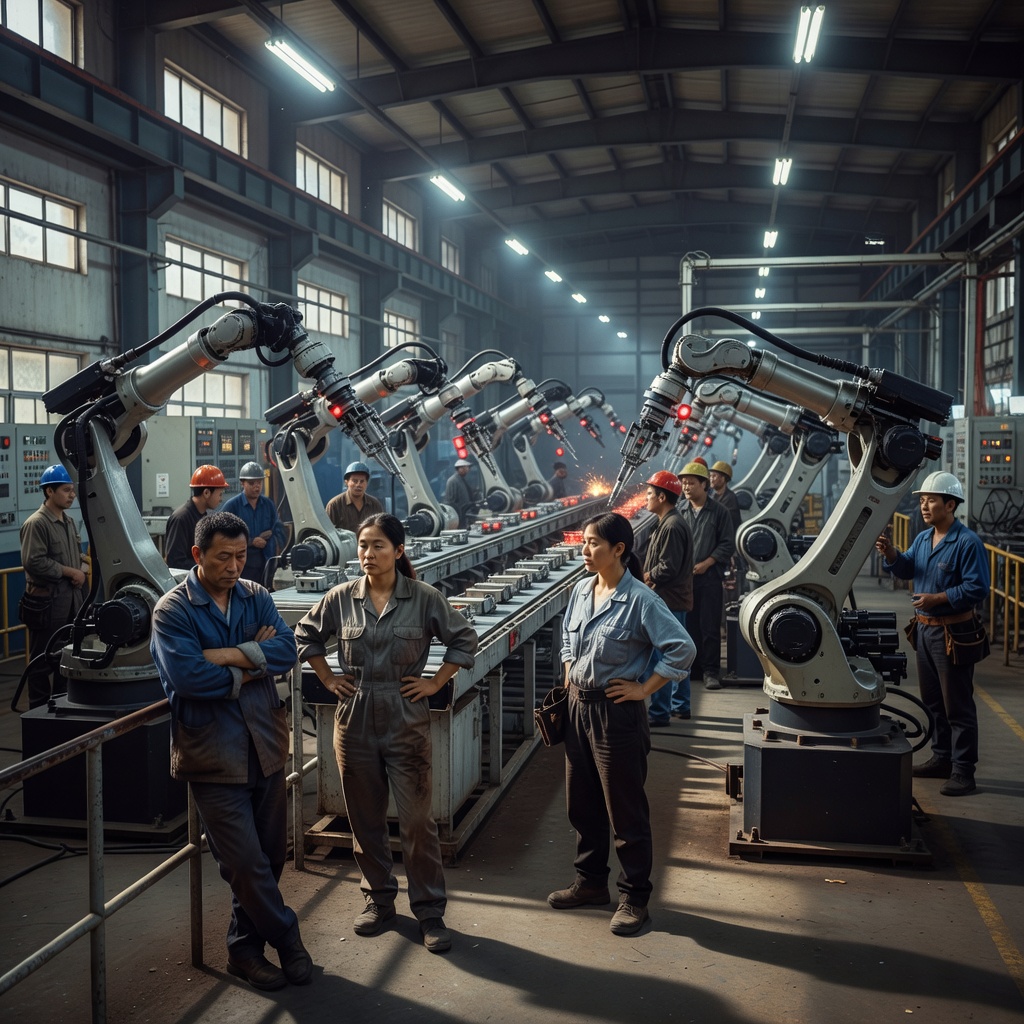
China’s robotics industry has expanded at a remarkable pace, fundamentally reshaping the country’s manufacturing landscape. According to data from the International Federation of Robotics, the number of industrial robots installed in China surpassed two million by 2024, setting a global record. This rapid adoption, which began around 2013, marks a significant shift from China’s historical reliance on a large and inexpensive workforce to a future increasingly dominated by automation.
Employment Data Shows Decline
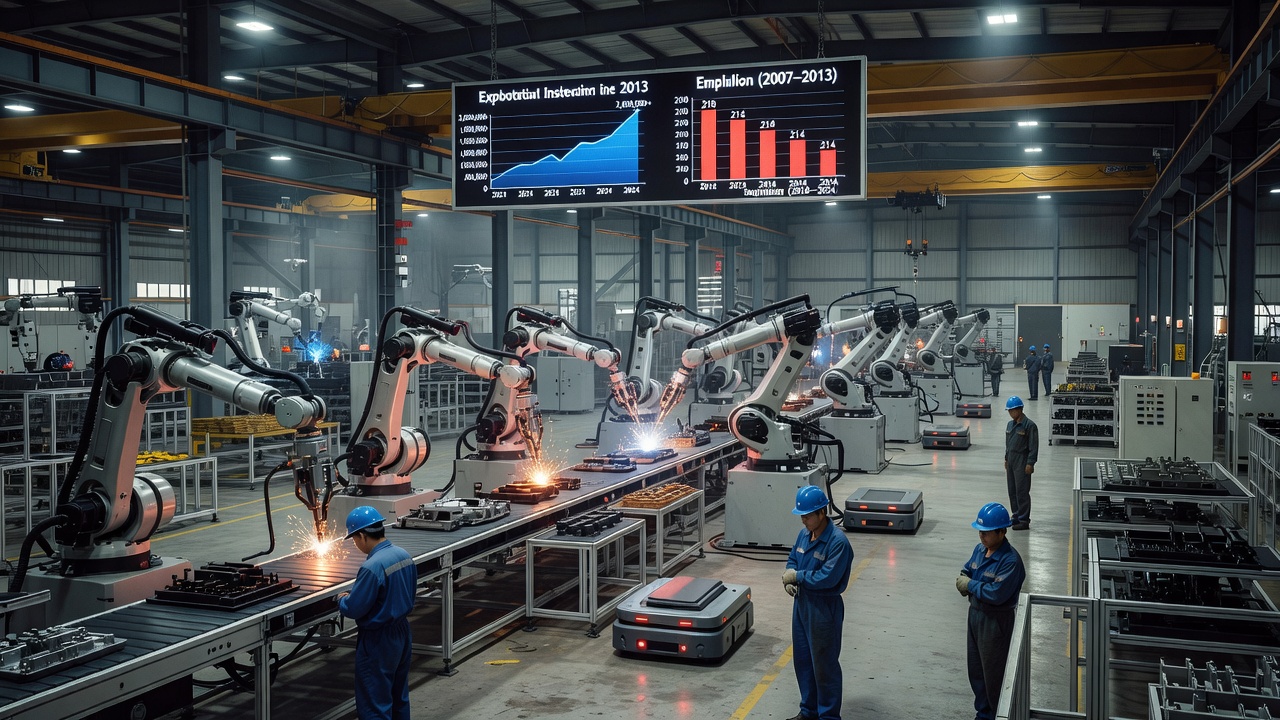
The impact of this automation surge on the traditional workforce is becoming increasingly evident. An analysis of employment data from the China Statistical Yearbooks, published by the National Bureau of Statistics, reveals a notable decline in secondary sector employment. Between 2007 and 2013, the annual average number of workers in this sector stood at approximately 218 million. That figure dropped to 214 million during the 2018–2024 period. Concurrently, the average urban unemployment rate rose from 4.12 percent to 5.16 percent.
Correlation Between Automation and Job Displacement
Further data from ChinaPower, published this year, shows that the number of industrial robots in the country increased sharply from 155,000 in 2018 to 295,000 in 2024. The simultaneous rise in both unemployment and robot installations suggests a strong correlation between automation and job displacement. As the scale and speed of China’s robotics development continue to stun observers, readers emphasize that automation must be designed with the human worker in mind, prioritizing human dignity amid the industrial upheaval.
The source for this article is https://www.scmp.com/opinion/letters/article/3359972/automation-must-be-designed-human-worker-mind.