
‘Space race of our time’: can Europe compete with China, US in humanoid robots?
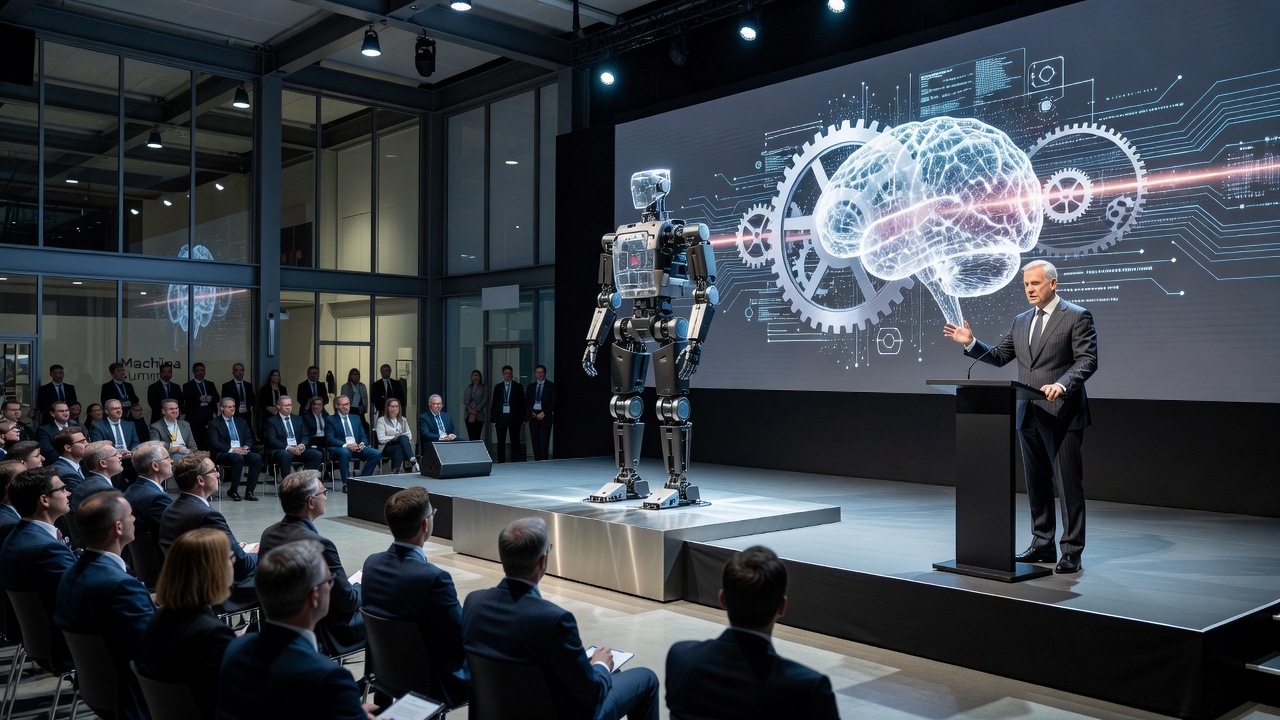
At the inaugural Machina Summit in Paris on Tuesday, European robotics executives identified severe data training bottlenecks as a major obstacle to competing with China and the United States in the burgeoning humanoid robotics sector. The one-day event, positioned as Europe’s leading industry gathering, saw calls for policymakers to act swiftly to prevent the continent from falling further behind.
“You see China and the US … because of AI … typically they are considered the leaders, but do not count out Europe,” said David Kehr, president of Humanoid Robotics at German firm Schaeffler Technologies. Kehr stressed that safety standards and faster training speeds represent the primary hurdles the industry must overcome.
Schaeffler Enters Humanoid Robotics
Schaeffler, traditionally known for automotive and industrial components, entered the humanoid robotics sector in January through a partnership with UK start-up Humanoid. Under the deal, the Bavaria-based company supplies actuators—the mechanical joints and motors that power a robot’s movement—and plans to deploy the British firm’s AI models across its own factories. This move signals a strategic attempt by European industrial giants to carve out a niche in a rapidly evolving field.
Call for Balanced Regulation
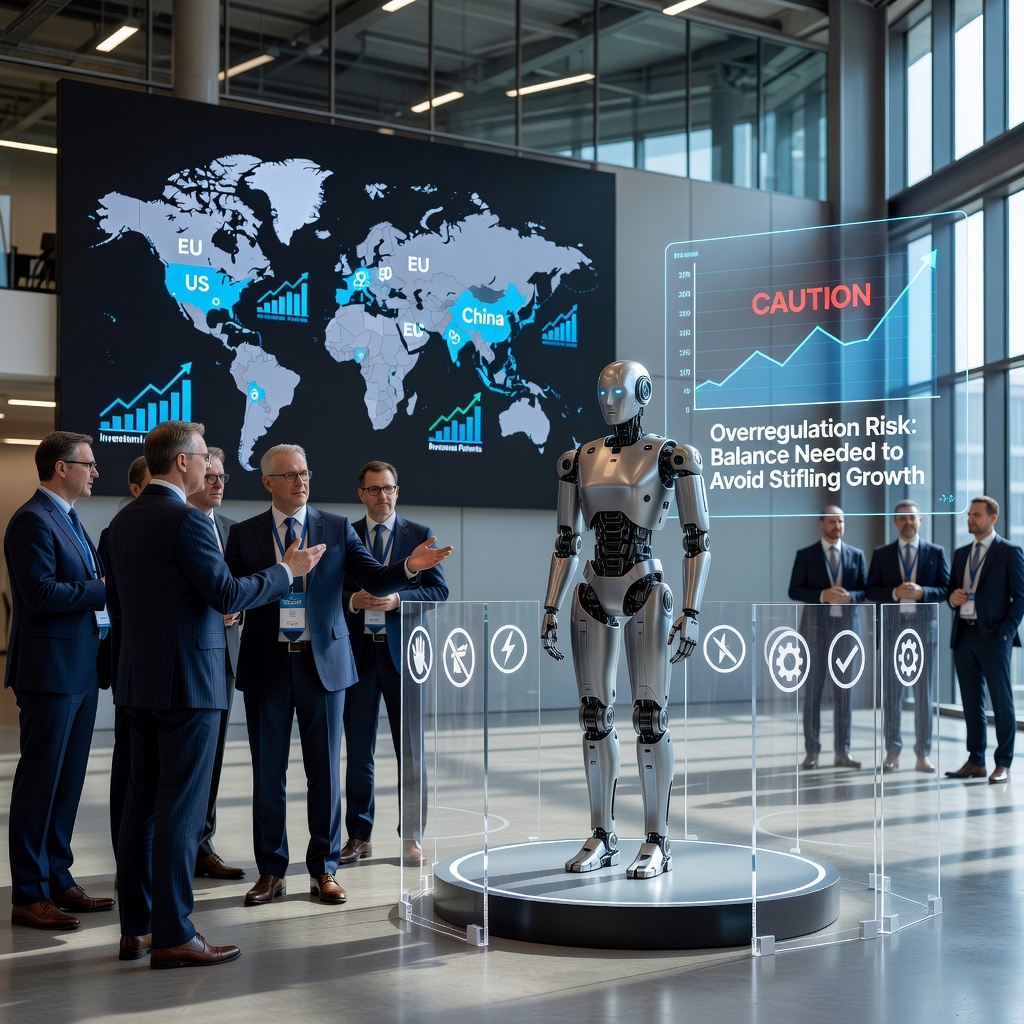
Speaking on the main stage, Kehr argued that Europe could lead on global safety standards for humanoid robots. However, he cautioned lawmakers to strike a careful balance, warning that overregulation must not “stifle” the continental humanoid and physical AI market. The industry’s growth depends on a regulatory environment that encourages innovation while ensuring safety.
US Dominance at Summit
The uphill battle facing European players was starkly reflected in the summit’s speaker line-up. Most presenting companies were headquartered in the United States, with European firms making up only a small fraction of the program. This disparity underscores the challenge Europe faces as it seeks to compete with the US and China, which dominate headlines and investment in humanoid robotics.
Despite the odds, Kehr expressed confidence that Europe’s industrial expertise and collaborative approach could position it as a serious contender. “Do not count out Europe,” he reiterated, as the summit highlighted both the urgency and the potential of the continent’s humanoid robotics ambitions.
The source for this article is https://www.scmp.com/tech/tech-trends/article/3359847/physical-ai-space-race-can-europe-compete-china-and-us-humanoid-robotics.