US Lawmakers Move to Curb Tax Breaks for Companies Using Chinese Tech
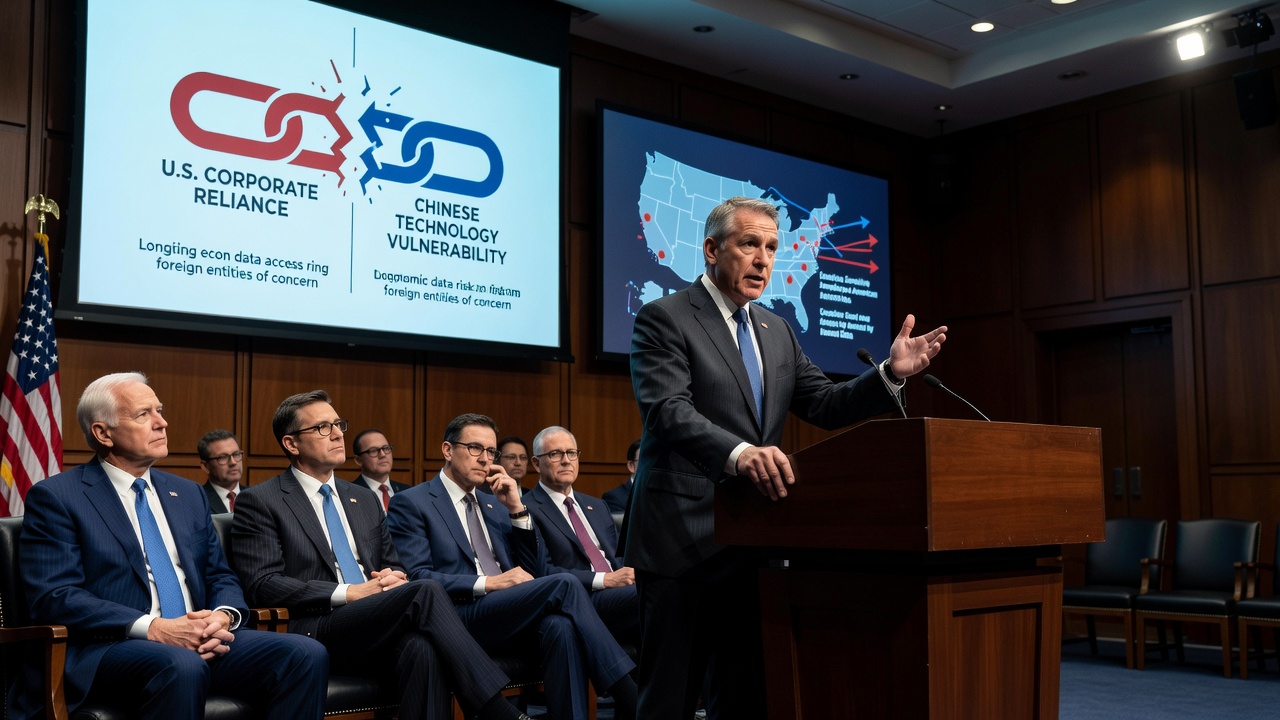
A growing coalition of U.S. lawmakers is targeting the federal tax code as a tool to reduce corporate America’s reliance on Chinese technology, framing longstanding economic ties as a national security vulnerability. The latest push came Thursday from Congressman Nathaniel Moran, who warned business leaders of what he called a “toxic relationship” between U.S. companies and Beijing.
Moran, a Republican from Texas, is championing the Deterring Adversarial Access to Americans’ Data Act, a bill designed to deny major tax breaks—including bonus depreciation and research and development expensing—to American companies that use technology from “foreign entities of concern” capable of accessing private U.S. data. “We want to incentivise people to make longer-term decisions,” Moran said, arguing that current tax provisions inadvertently reward short-term reliance on potentially risky foreign suppliers.
Broader Concerns Over Data as a Strategic Asset
The legislative effort aligns with broader concerns raised by bipartisan congressional panels, which have warned that China treats data as a strategic resource. Critics in Washington contend that the U.S. has failed to mount an effective counter to Beijing’s systematic data-collection campaigns. By tightening tax incentives, lawmakers aim to create a financial disincentive for companies to continue partnerships that could expose Americans’ private information to adversarial governments.
The proposal underscores a shifting mindset on Capitol Hill, where economic interdependence with China is increasingly viewed through a national security lens rather than a purely commercial one. If enacted, the bill would represent one of the most direct efforts to use the tax code to alter corporate supply chain decisions in the name of cybersecurity and data sovereignty.
The source for this article is https://www.scmp.com/news/us/diplomacy/article/3359225/us-lawmakers-push-fewer-tax-breaks-reduce-reliance-china-technology.